How to Read a Candle Flame
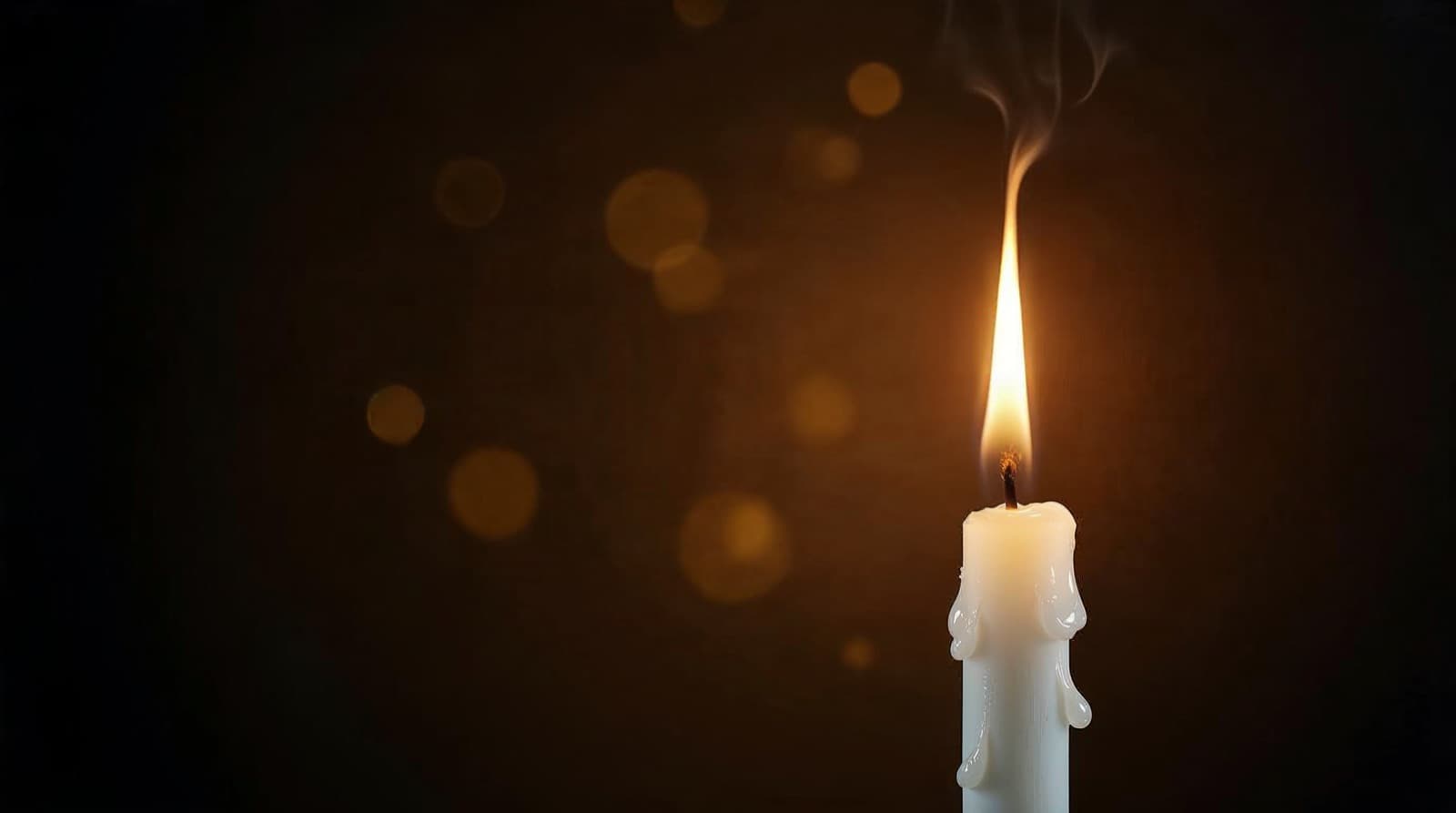
Anyone who lights candles ends up watching the flame. And the flame does things: it rises, dips, trembles, crackles, goes out. Tradition has a reading for each of these.
First, a sensible warning: the flame also moves for very earthly reasons, such as a draft, a wick that is too long, or a cheap candle. Light the candle away from windows and trim the wick to half a centimeter. If it still does something strange, then yes, read it.
The flame
- High and still: the request has strength and is on the right track.
- Low or weak: energy is lacking or something is holding it back. Patience is needed.
- Trembles without wind: nerves, doubts, or a situation that is still undecided.
- Crackles: something needs to be communicated, or there is an unfinished argument.
- Leans to one side: it is said to point toward where the answer is, or toward the person you are praying for.
- Goes out on its own: tradition says it is not the right time. Don't force it: try again another day.
- Double flame: two possible paths, or two people involved.
The smoke
- Black smoke: there was a lot to clear away. It often happens with the black candle.
- White smoke: the request has been "heard."
- Lots of smoke at first, then nothing: whatever was weighing on you has been released.
The wax
- The candle weeps heavily (lots of wax running down): sadness, or a path that will be slow.
- It burns down entirely and cleanly: request fulfilled, work done.
- It leaves a lot of residue: something is still left to resolve.
- It cracks or breaks: an abrupt change. Another candle is often lit, preferably a white candle.
More signs from the flame
- Bluish flame at the base: tradition says there is spiritual presence or protection. In practice, every flame has some blue at the bottom; what matters is whether there is more of it than usual.
- The candle makes noise (crackles or "talks"): someone is thinking of you, or there is something pending to be said.
- The wick bends or drowns in wax: the request needs more time. Remove a little wax and light it again.
- The flame rises and falls constantly: churned-up emotions, yours or those of the person you are praying for.
How to light the candle so you can read it well
- Trim the wick to half a centimeter before lighting it.
- Place it away from windows, doors, and air conditioning.
- Light it with a match or a lighter, and watch the flame for the first few minutes without moving.
- Read what it does once it has settled, not in the first second.
Frequently asked questions
What does it mean when a candle goes out on its own?
First rule out a draft or a drowned wick. If there is no explanation, tradition says it is not the right time for that request. Wait and try again another day.
What does it mean when a candle weeps heavily?
That the wax runs down the sides. It is read as sadness or as a slow path. It is also often a candle of poor quality or one exposed to air.
Can a candle I've already used be lit again?
Yes, if it is for the same request. For a new request, tradition prefers a new candle.
A reading by color
The flame is read the same way in every candle, but what it means depends on what you asked for. A high flame in a green candle speaks of money; in a red candle, of passion. Review the meaning of your color in the meaning of candles.
Your candle and the cards
The card that best suits someone who reads a flame is The Hermit: the sage with his lantern, who looks carefully before deciding.
If the flame left you with doubts, do the 3-card spread. Three cards put into words what the flame only hints at.